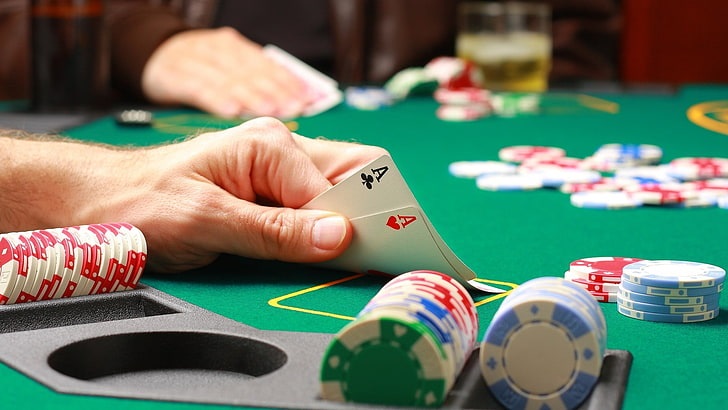

Slots and table games offer very different gaming experiences even though both involve gambling. Knowing these differences helps players select games that fit their interests skills and preferred way of playing. Each type connects with different motivations and delivers a distinct form of enjoyment. Some players strongly favor one category over the other. Mechanical and strategic differences between these game types create distinct playing experiences. Mrlucky88 online casino Malaysia libraries contain both categories, letting Malaysian players select based on their current preferences. Asian markets traditionally favour certain table games like baccarat alongside slots, creating balanced game portfolios on platforms serving these regions. European and American markets show different preference distributions, though both categories remain popular globally.
Gameplay pace differences
Slots operate at player-controlled speeds with immediate round resolutions. Click spin, watch reels, collect wins, repeat. Each round completes in seconds. Players control their pace, choosing rapid-fire spins or leisurely play between rounds. Autoplay functions accelerate even further by eliminating manual inputs between spins. This speed suits players wanting quick action and frequent decision points, even if decisions involve whether to spin again. Table games generally proceed at fixed paces determined by dealing procedures and other players at shared tables. Blackjack hands require dealer actions to be completed in sequence. Roulette wheels must complete full spins before the results are determined. Baccarat follows dealing protocols that players cannot rush. Live dealer games particularly enforce natural pacing since human dealers need time for physical actions.
Social interaction aspects
Slots have traditionally been single player activities. Players sit alone and play without interacting with others. Online slots keep this separation even when chat options exist. Most players focus only on their own spins and do not see others results unless leaderboards or shared jackpots are involved. This private style suits players who prefer quiet and distraction free entertainment. Table games include social interaction even in digital form. Live dealer games bring back real interaction through chat and dealer presence. Players react to wins and losses together and share moments at the same table. Poker games increase this social aspect further because players compete directly against one another instead of the house.
Payout structure variations
Slots emphasise large jackpot potential alongside frequent small wins. Top prizes might reach thousands or millions of times the bet amount. This extreme variance creates excitement around massive win possibilities despite low probability. Frequent small wins maintain engagement between rare big hits. Players accept long losing streaks as acceptable costs for jackpot chances. Table games generally offer more modest maximum wins relative to bets. Blackjack pays 3:2 or 6:5 on naturals. Roulette straight-up bets pay 35:1. Baccarat returns nearly even money. These compressed payout ranges create steadier results with less dramatic swings. Wins occur more regularly but rarely reach the multiple-thousand-times-bet levels slots achieve. This appeals to players preferring consistent action over jackpot hunting.
Slots and table games differ in pace, strategy requirements, social elements, and payout structures. Slots provide fast-paced, solitary entertainment with jackpot potential. Table games offer varied strategy depths, social interaction, and steadier payout patterns. Both categories serve distinct player preferences and entertainment goals.